GREINER BIO-ONE
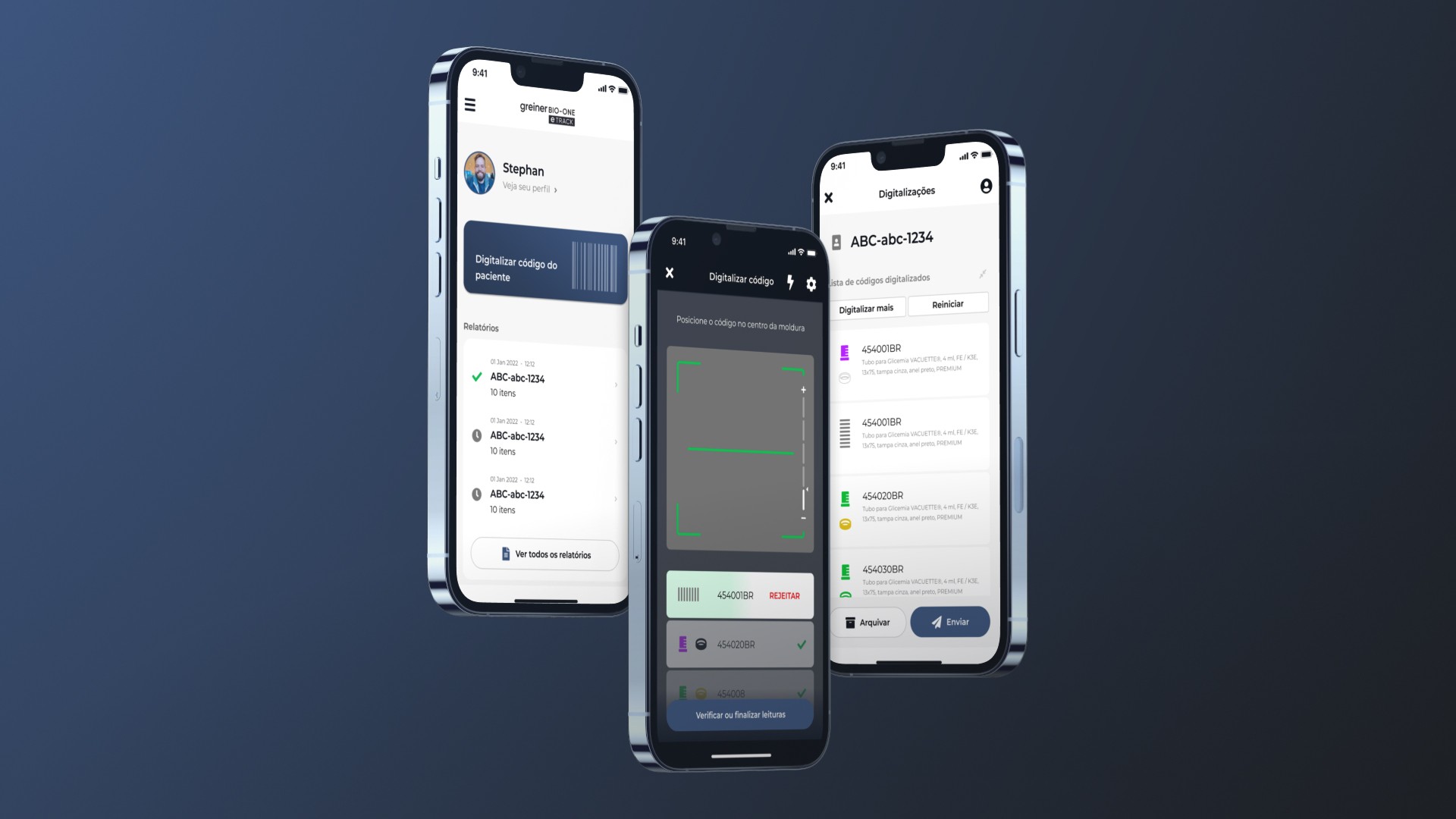
eTrack mobile app
90% traceability and pre-analytical error reduction · Expanding to 4 language markets · Redesign of a pioneering mobile app
Project context
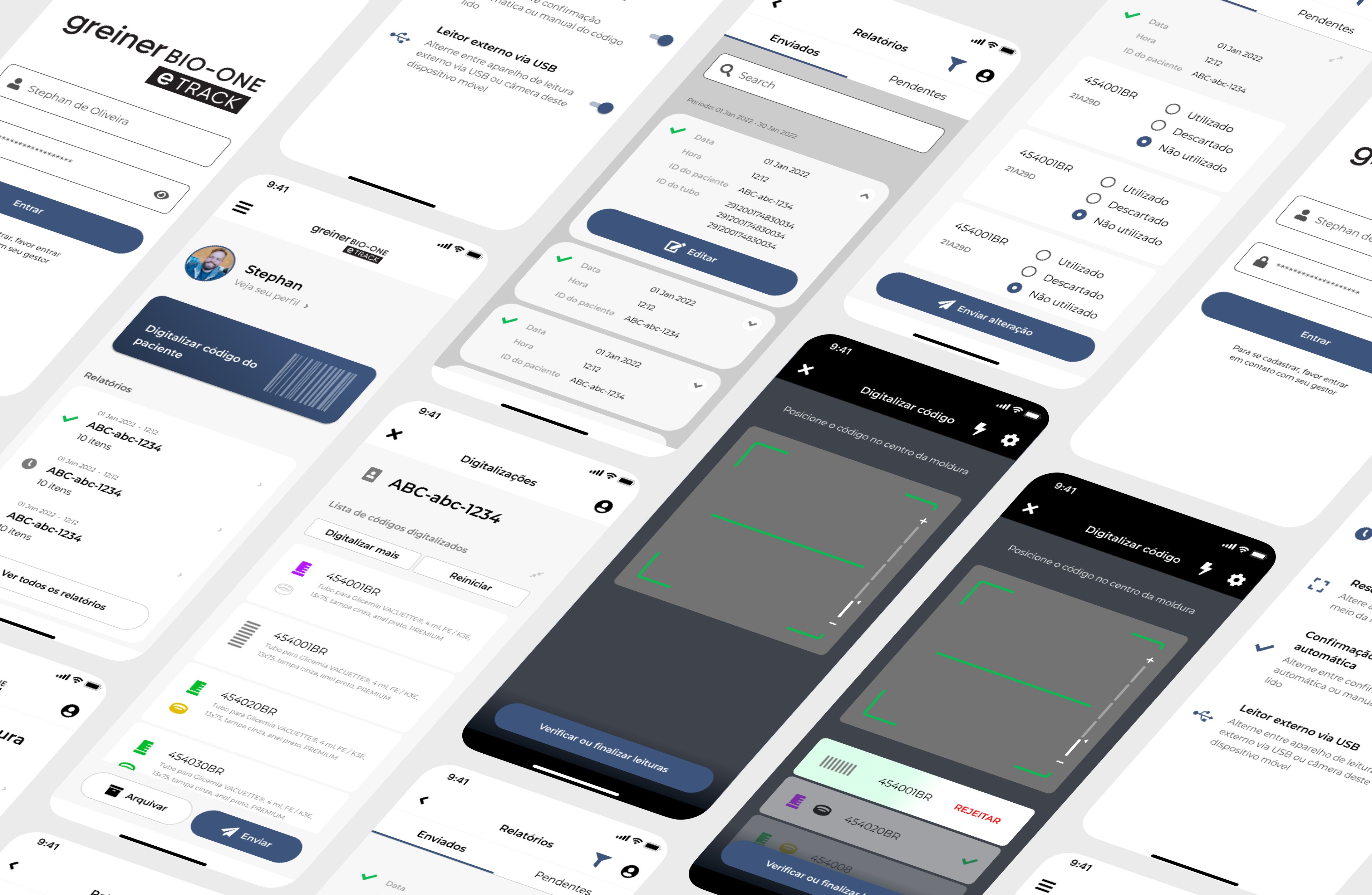
Redesign of Greiner Bio-One’s pioneering lab traceability app in 2 months, covering new regulatory requirements, collection outside the laboratory and operation without connectivity, and the product became the company’s first SaaS model.
Client
Greiner Bio-One, served by me from Diletta Solutions.
Segment
HealthTech, preanalytics. Greiner Bio-One develops, produces and distributes products for Preanalytics, Bioscience, Diagnostics and OEM.
Stage
Enterprise company, present in more than 100 countries. Product in redesign from an existing pioneering version.
Business model
B2B SaaS. Subscription revenue, plans from BRL 200 to BRL 990 per month.
Target audience
•
The laboratory as the subscription buyer
•
Lab technician as the app user
Role
Product Designer
Team
add
PM
add
UX Designer
add
2 Mobile Devs
Stack
iOS and Android, Flutter, offline-first, Material Design.
Period
Within my time at Diletta Solutions, April 2021 to July 2022. Launched in 2022.
Challenge
•
The pioneering app did not meet the new regulatory requirements (ISO 15189, RDC 786 / PALC): the existing data capture did not close the traceability chain that an audit demands, and the laboratory was doing compliance in a parallel record.
•
Usability did not match the technician’s real workflow, where a badly designed interaction costs a lost sample and a new collection on the patient.
•
The product assumed a single context of use, the technician at the bench with a network available, and ignored home-care and HUB logistics, where connectivity is not guaranteed.
•
It lacked what would turn an internal app into a product sellable by a global company: multilingual support, professional interface credibility and a subscription model Greiner did not yet have.
Key actions
•
Regulatory requirement translated into product. Stakeholder and user interviews to convert ISO 15189 and RDC 786 / PALC into design requirements, with broadened data capture: technician ID, collection time and patient feedback.
•
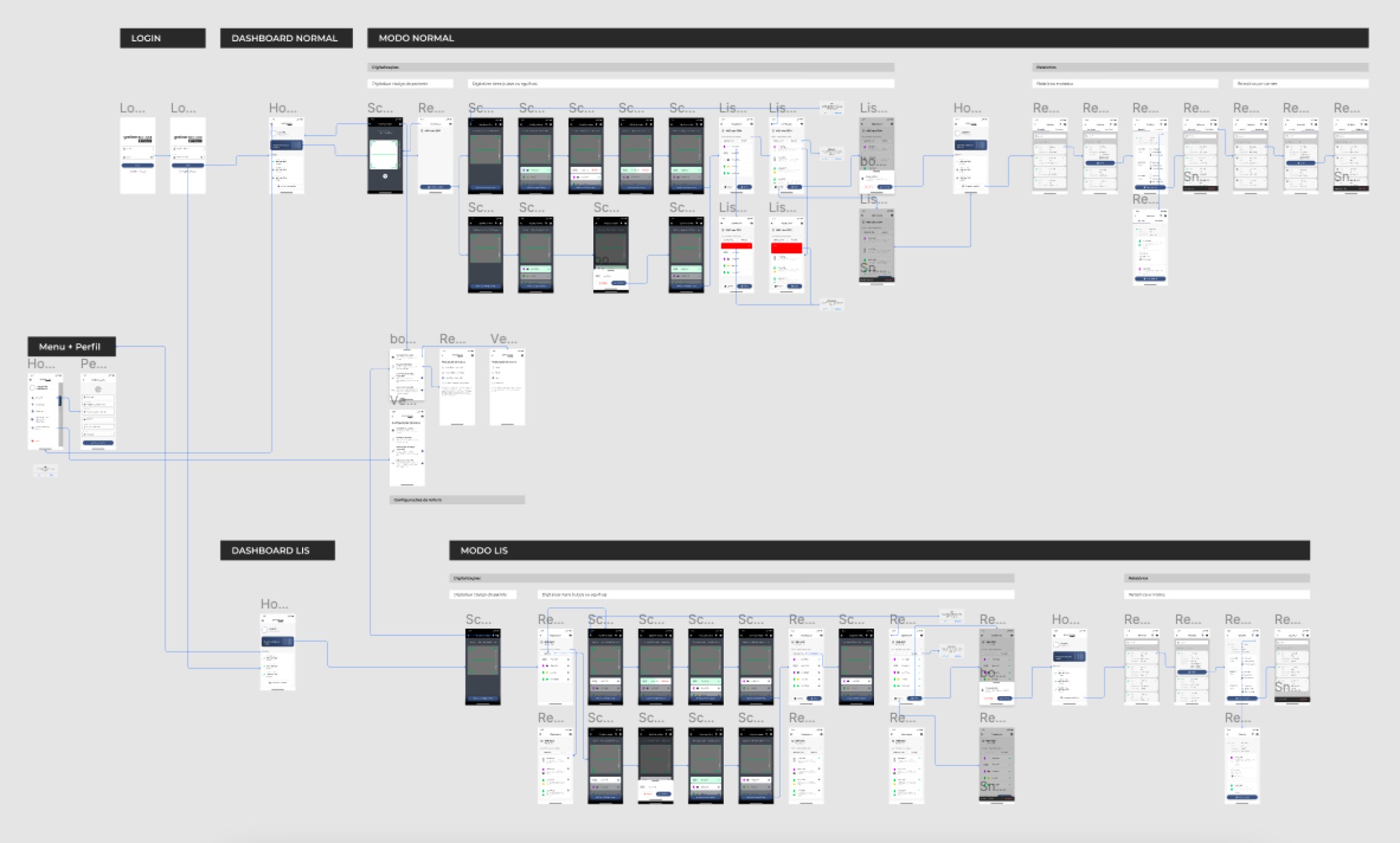
Flow designed by the sequence of collection. Navigation built from the technician’s real work, with all user flows prototyped, including the exception paths of code scanning and item verification.
•
Home-care and HUB as first-class contexts. Offline-first behavior with later submission (offline "send later"), including queue, confirmation and resend states.
•
Design system in Material Design. One decision resolving visual consistency, professional credibility and production speed within the 2-month window.
•
Usability testing with lab technicians. Validation that the additional recording required by the standard did not slow the operation down, with adjustment of the flows that broke in testing.
•
Structural multilingual support and documentation. Support for multiple languages in the interface structure and in the flows, not as a translation applied at the end, plus documentation of flows and system for the team’s continuity.
Impact
check
Prototype of the whole app in 2 days and redesign delivered in 2 months (2022)
check
90% to 95% traceability, 70% to 80% of RDC 786 compliance tasks automated, 80% to 90% fewer pre-analytical errors, 20% to 40% higher sample-collection efficiency (2022)
check
Multiple Brazilian laboratories with the app in their routine (2024)
check
Marketed across 4 language markets, Portuguese, English, Spanish and German (2024)
check
Central to Greiner’s digital strategy and presented at the global sales convention as a strategic data asset (2025).
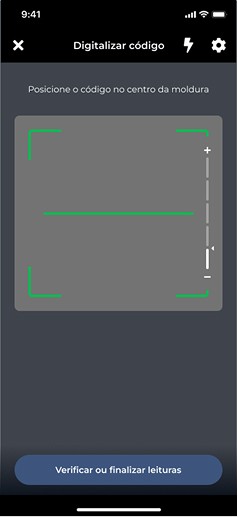
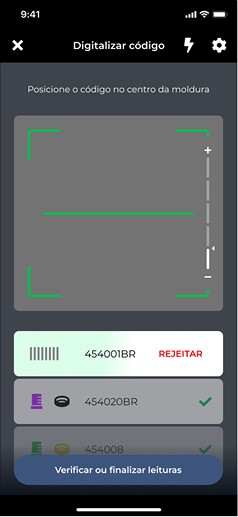
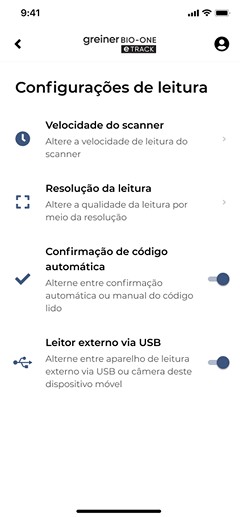
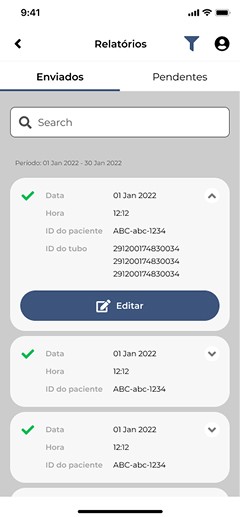
Launched app

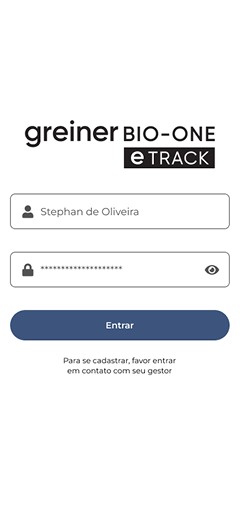
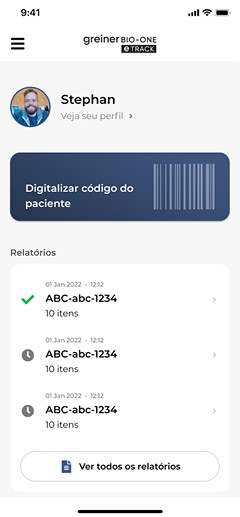
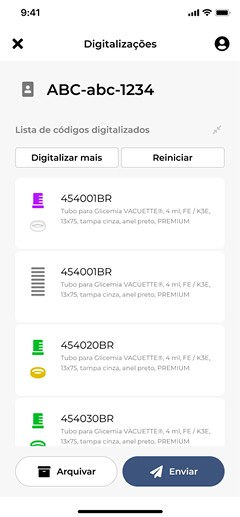
The prototype is now a fully‑launched product. Explore the live app to experience the complete, production‑ready solution.
This is how I work
Let's build your next case